
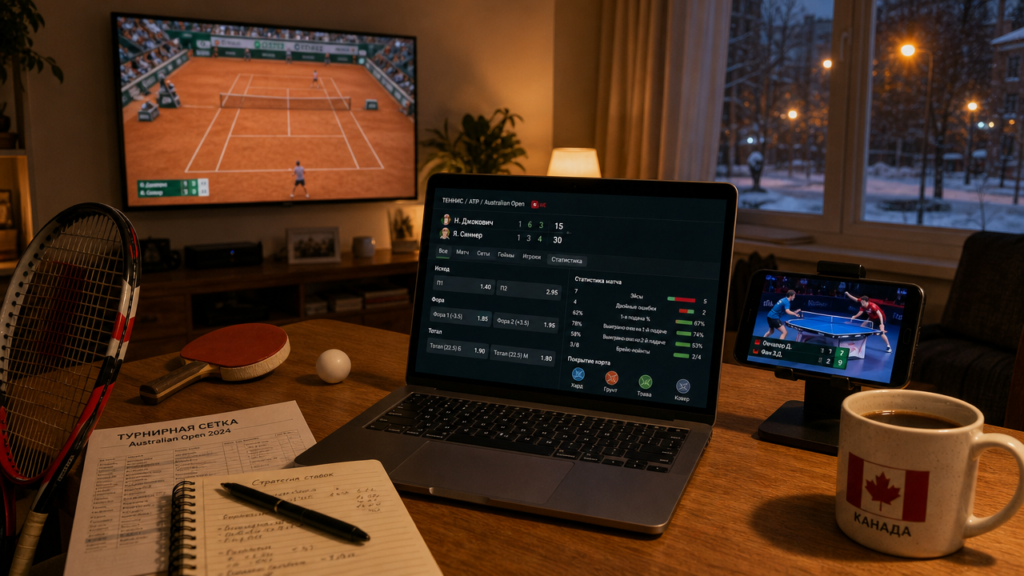
Tennis is the second most popular sport for betting after football, and live betting is especially popular because matches can change quickly. The sport also offers a year-round schedule, simpler form tracking, and frequent comebacks. These features make tennis suitable for bettors who follow players, surfaces, and tournament conditions closely.
Surface Form and Match Analysis
A tennis preview should begin with recent form, injuries, playing surface, and the level of opposition. Clay, hard courts, and grass produce different match patterns, so results from one surface should not be treated as a direct guide to another.
The tournament calendar includes four major events, top-level tour tournaments, and team competitions throughout the year. This creates a steady supply of bets on tennis games, but each match still requires separate analysis. A player’s recent record, serve and return numbers, and performance against similar opponents can help define the likely match script.
Live Markets and Match Timing
Live betting can offer useful information because the opening games reveal serving quality, movement, and physical condition. A player who starts slowly may recover, while an early break does not always decide the match. Totals, game handicaps, set handicaps, and exact-score markets all react to these changes.
Tennis also has drawbacks. Start and finish times can shift when matches are played one after another, and outdoor events may be delayed by rain. Bettors should check the schedule and court conditions before placing bookmaker bets on tennis.
Tipster Checks and Bankroll Control
Prediction channels range from detailed analysts to scammers. A reliable source should show a clear record of previous picks, explain its reasoning, identify its specialist tours or surfaces, and include risk warnings. User ratings and reviews can help, but they should not replace verified statistics.
Avoid sources that promise fixed matches, guaranteed returns, unusually high odds, or account boosting. These are common warning signs. A cautious staking plan is also important: one source recommends putting 3 to 5 percent of the bankroll on free picks, but bettors should choose a level that matches their own risk tolerance.
For a daily card, it is better to follow one or two well-supported positions than to spread small stakes across matches with little available information.